

Madison County Record
Latest Madison County Record
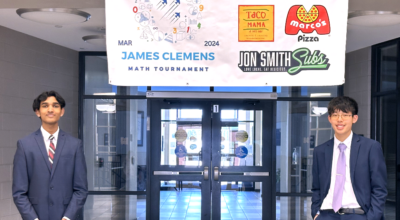
Students Neyan Sezhian, Erik Wu originate James Clemens Math Tournament
MADISON – With avid interest in mathematics, students Neyan Sezhian and Erik Wu couldn’t accept the status quo. They took positive action that will benefit ... Read more
6 hours ago by Gregg Parker.

Bob Jones bests rival James Clemens in Game 1 of weekend series
MADISON – There might be bigger matchups elsewhere, but no high school baseball games mean more around here like when James Clemens faces Bob Jones ... Read more
6 hours ago by Caleb Odom.


Check out the 2024-25 edition of “Explore Huntsville-Madison”
Check out our new publication, “Explore Huntsville-Madison 2024-2025”. It explores many of the fun attractions, natural wonders, events, entertainment, shopping, and dining opportunities in our ... Read more
1 day ago by John Few.

Business, Army groups offer scholarships
MADISON COUNTY - HASBAT and the Redstone-Huntsville Chapter of AUSA are collaborating to provide two academic scholarships to high school juniors and seniors, along with ... Read more
2 days ago by Gregg Parker.

Optimists award teacher grants, essay winners
MADISON – In keeping with the organization’s giving spirit to local education, Optimist Club of Madison presented prizes to winners in its essay contest and ... Read more
2 days ago by Gregg Parker.

Kristen Brown named finalist for Alabama Teacher of the Year
MADISON – Kristen Brown, a science teacher at Liberty Middle School, is a finalist for “Alabama Teacher of The Year.” Read more
2 days ago by Gregg Parker.
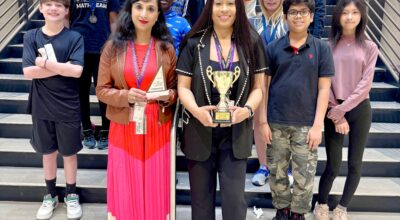
Journey Math Team makes mark in 2 tourneys
MADISON – Two competitions challenged Math Team members from Journey Middle School, but, despite the odds against larger school teams, they claimed a lengthy list ... Read more
2 days ago by Gregg Parker.

Artwork by Charity Stratton on exhibit at library
MADISON – Artwork by Charity Stratton is now on exhibit at Madison Public Library as the featured artist for Madison Arts Alliance. Read more
2 days ago by Gregg Parker.
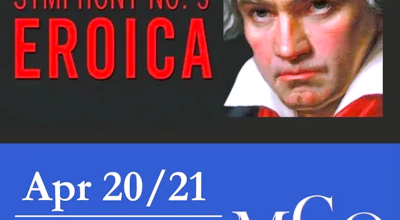
Madison City Community Orchestra to present ‘Eroica’ on April 20-21
MADISON – Madison City Community Orchestra or MCCO members invite residents to an evening of classical music at its 2024 Spring Concert, Beethoven’s “Eroica -- ... Read more
2 days ago by Gregg Parker.

Sprinter Alijah Vaughn At Maximum Velocity
HARVEST- Born in the state of Maryland and making his way to Harvest by way of the United Kingdom, Alijah Vaughn has settled in with ... Read more
3 days ago by Bob Labbe.
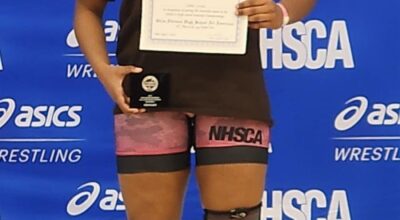
Kalea Loving- All-American Wrestler
HARVEST- Sparkman sophomore wrestling sensation Kalea Loving can now lay claim to an even bigger title than she won during the high school wrestling season ... Read more
3 days ago by Bob Labbe.

Table Tennis- Alabama Senior Olympics
MADISON- For most recreational centers and many homes across the area which have playing tables the featured sport that is fun and offers good exercise ... Read more
3 days ago by Bob Labbe.

Orion Amphitheater kicks off its third concert season tonight
HUNTSVILLE – Huntsville’s award-winning Orion Amphitheater will kick off its anticipated third concert season tonight with performances by Scarface & Band, Z-Ro, Lil Flip, Mike ... Read more
1 week ago by SPECIAL TO THE RECORD.

James Clemens HOSA overshadows conference competitors
MADISON – James Clemens High School students raked in attention and honors at the HOSA State Leadership Conference. Read more
1 week ago by Gregg Parker.



Services
Copyright
- © 2024, The Madison Record
